Bechtelsville top rated Auto Repair - Your Local Honest Mechanics
Crucial Car Repair Guidelines: Maintain Optimal Vehicle Performance and Keep More Cash!
Taking care of a vehicle is essential for longevity and performance. Routine servicing can stop costly repairs and ensure a smooth ride. Basic checks, such as tire pressure and fluid levels, are critical. Nevertheless, many car owners ignore the importance of having the right tools and knowledge for DIY repairs. Recognizing when to tackle issues independently and when to seek professional help can make all the difference. What are the best practices to keep a vehicle in top condition?
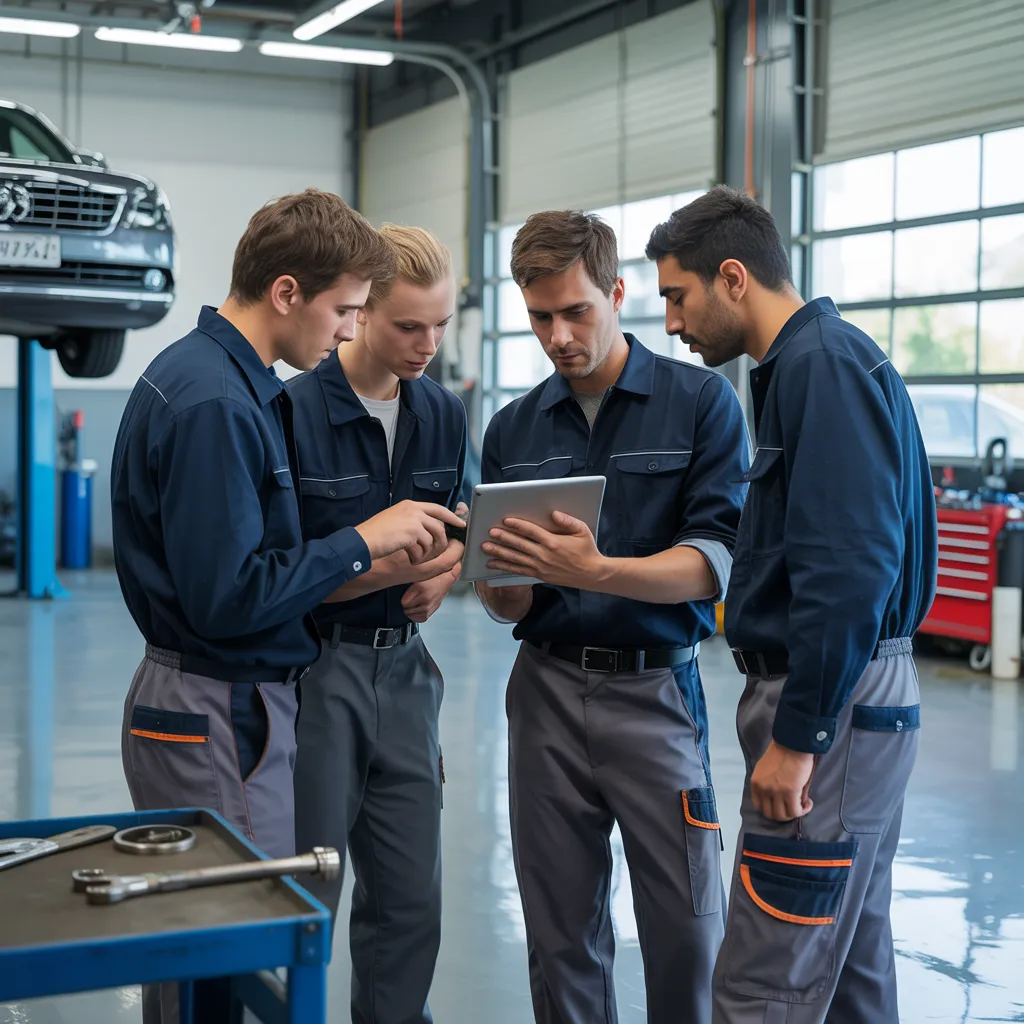
Performing Essential Maintenance on Your Vehicle
With respect to keeping a vehicle in top condition, regular routine maintenance is vital for ensuring optimal performance and longevity. This process starts with checking fluid levels, including oil, coolant, and brake fluid, to avoid overheating and preserve braking efficiency. Tire maintenance is similarly critical; owners should consistently inspect tire pressure and tread depth to increase safety and fuel efficiency.
Furthermore, routine examinations of belts and hoses can avoid unexpected breakdowns. Changing the oil and swapping out filters according to manufacturer requirements also helps maintain engine condition.
In addition, keeping the vehicle clean, both from the inside out, protects the paintwork and interior surfaces from deterioration. Lastly, recording maintenance activities assists in monitor the vehicle's status over time, enabling better decision-making concerning repairs and replacements. By adhering to these procedures, vehicle owners can considerably lengthen their car's lifespan and boost its reliability on the road.
Key Tools That Every Car Owner Needs
Owning the right tools can significantly facilitate car maintenance and repairs, enabling vehicle owners to tackle minor issues before they worsen. Essential tools include a quality set of wrenches and sockets, which are vital for releasing or tightening various bolts and nuts. A torque wrench is also crucial for ensuring proper tightness, particularly for essential components.
In addition, a complete tool kit should have screwdrivers of various sizes, pliers, and a hammer. A jack and jack stands are needed for safely lifting the vehicle during tire changes or undercarriage inspections.
OBD-II scanners are indispensable for diagnosing engine issues, offering information about trouble codes. Moreover, having a tire pressure gauge ensures peak tire health. Finally, a basic first aid kit can be a lifesaver in emergencies. Using these essential tools, car owners can assuredly manage typical repair and maintenance activities, ultimately saving money and enhancing vehicle durability.
Fundamental Vehicle Checks You Can Perform Yourself
Routine maintenance can significantly prolong a vehicle's lifespan, and basic checks are easy to perform. Checking tire pressure and inspecting fluid levels are two essential tasks every car owner can handle. By being attentive to these checks, drivers can guarantee their vehicles remain in excellent condition.
Regularly Check Tire Pressure
Maintaining proper tire pressure is essential for both safety and efficiency of your vehicle, as underinflated or overinflated tires can lead to decreased fuel economy and increased wear. Routine tire pressure checks are a straightforward but powerful method to improve vehicle performance and extend tire longevity. Motorists should employ a reliable tire pressure gauge to assess pressure levels when the tires are cold, as heat from driving can alter readings. The relevant resource recommended pressure levels are typically found on a sticker on the driver's door jamb or within the vehicle manual. It is wise to inspect tire pressure monthly at minimum, and before long trips, to guarantee ideal handling and safety. Regular checks can help avoid expensive repairs while enhancing your overall experience behind the wheel.
Inspect Your Fluids Regularly
After confirming that tire pressure is within the recommended range, drivers should shift their focus to inspecting fluid levels regularly. Upholding proper fluid levels is vital for the vehicle's durability and performance. Essential fluids to check include engine oil, coolant, brake fluid, transmission fluid, and windshield washer fluid. These fluids each plays an important role in ensuring the vehicle operates smoothly and safely. Drivers should review their owner's manual for specific levels and recommendations. Regular examinations can help identify leaks or low levels before they lead to more serious issues. By making fluid checks a standard part of vehicle maintenance, drivers can prevent costly repairs and enhance their car's reliability on the road.
Troubleshooting Typical Car Problems at Home
How can a car owner effectively troubleshoot common issues at home without professional help? Initially, it is essential to become familiar with the vehicle's owner manual, which frequently features troubleshooting sections for different issues. For example, if the engine doesn't start, checking the battery connections and making sure the battery is charged is a solid first step.
If warning lights appear on the dashboard, look up the exact meaning of that light, as this can point to various issues. Being alert to uncommon sounds, such as scraping or squealing, can also offer insights into potential problems.
In addition, checking the tires for correct inflation and tread wear can prevent further complications. Routinely inspecting for leaks beneath the vehicle can also help discover issues early. By employing these methods, car owners can efficiently determine and address minor problems, likely saving money on unnecessary repairs.
Practical Strategies to Enhance Your Vehicle's Longevity
Increasing a car's lifespan demands a proactive approach to upkeep and maintenance. Routine oil changes are essential, as they guarantee the engine runs smoothly and efficiently. Drivers should also consistently examine and replace air filters, which can enhance fuel efficiency and performance. Furthermore, preserving correct tire pressure and rotating tires consistently can avoid uneven wear and increase tire life.
Other essential practices include checking fluid levels—such as coolant, brake fluid, and transmission fluid—and replenishing them as required. Keeping your car clean, both internally and externally, aids in preventing rust and corrosion, particularly in regions with harsh weather conditions.
Finally, sticking to the recommended manufacturer's maintenance schedule is essential. This includes checking belts, brakes, and battery health. By following these actionable tips, vehicle owners can significantly increase the lifespan of their automobiles while enhancing reliability and performance.
When to Call in the Pros for Repairs?
Understanding when to seek professional help for auto repairs is crucial for maintaining vehicle safety and performance. Indicators such as engine warning lights, unusual sounds, or vibrations, and complex electrical issues often signal that a mechanic's expertise is needed. Addressing these concerns promptly can prevent further damage and costly repairs in the long run.
Understanding when to obtain professional help for auto repairs is vital for maintaining vehicle safety and performance. Signs such as engine warning lights, unusual sounds, or vibrations, and complex electrical malfunctions often signal that a mechanic's expertise is needed. Addressing these concerns promptly can prevent further damage and costly repairs in the long run.
Recognizing when to seek professional support for auto repairs is vital for maintaining vehicle safety and performance. Signs such as engine warning lights, unusual acoustic disturbances, or vibrations, and complex electrical issues often indicate that a mechanic's expertise is needed. Tackling these concerns quickly can prevent further damage and costly repairs in the long run.
Knowing when to seek professional help for auto repairs is vital for maintaining vehicle safety and performance. Warning signals like engine warning lights, unusual noises, or vibrations, and complex electrical problems often suggest that a mechanic's expertise is needed. Addressing these concerns promptly can avoid further damage and costly repairs in the long run.
Understanding when to pursue professional help for auto repairs is vital for upholding vehicle safety and performance. Indicators such as engine warning lights, unusual noises, or vibrations, and complex electrical issues often indicate that a mechanic's expertise is required. Tackling these concerns quickly can stop further damage and expensive repairs in the long run.
Recognizing when to pursue professional assistance for auto repairs is essential for maintaining vehicle safety and performance. Signs including engine warning lights, unusual sounds, or vibrations, and complex electrical malfunctions often indicate that a mechanic's expertise is required. Handling these concerns immediately can stop further damage and high-cost repairs over time.
Recognizing when to seek professional help for auto repairs is crucial for preserving vehicle safety and performance. Indicators like engine warning lights, unusual noises, or vibrations, and complex electrical issues often suggest that a mechanic's expertise is necessary. Tackling these concerns immediately can prevent further damage and expensive repairs over time.
Knowing when to seek professional support for auto repairs is crucial for maintaining vehicle security and operation. Indicators like engine warning lights, unusual sounds, or vibrations, and complex electrical issues often signal that a mechanic's expertise is required. Handling these concerns promptly can avoid further damage and expensive repairs down the road.
Warning Lights for Your Engine
When ought a driver to seek professional support for engine warning lights? Drivers need to seek a mechanic once an engine warning light lights up on their dashboard. Overlooking these warnings can cause more substantial complications, including engine damage or diminished fuel efficiency. It is crucial to differentiate among warning lights; for instance, the check engine light can represent various problems, from small to severe. If the light occurs alongside unusual activity, such as stalling or overheating, immediate professional inspection is essential. Furthermore, if the light stays on after conducting basic troubleshooting, such as inspecting the gas cap, it is recommended to pursue expert assistance. Swift intervention can save money and assure the vehicle performs smoothly.
Unusual Noises or Vibrations
What actions should a motorist take when hearing strange sounds or experiencing vibrations during driving? The initial action is to stay calm and evaluate the circumstances. When the sounds or vibrations remain, the driver should cautiously stop and shut off the engine. Careful listening can assist in determining the origin—whether it's grinding, rattling, or humming sounds. These indicators commonly point to potential concerns with the engine, braking system, or suspension. Neglecting them can cause more critical problems and high-cost repairs. If the driver is unsure of the cause, it is advisable to consult a professional mechanic. Swift response can prevent extra damage and strengthen vehicle safety, ensuring a more pleasant driving experience.
Intricate Electrical Problems
How can a driver tell if their car's electrical problems exceed their skill level? When encountering continuous electrical difficulties, such as blinking illumination, malfunctioning sensors, or a repeatedly dying battery despite new installations, it may be time to get professional support. If the driver experiences warning lights on the dashboard or struggles to start the automobile, these signs indicate complex issues that frequently demand specialized diagnostic tools. In addition, if efforts to diagnose—like inspecting fuses or wiring—fail to fix the issues, it is recommended to seek an experienced technician. Automotive electrical systems are often complex and demand professional understanding to avoid exacerbating the issue, securing safe and reliable operation.
Economical Vehicle Repair Tips
Several car owners look for cost-effective auto repair tips to preserve their vehicles without straining their budgets. One proven strategy includes performing regular maintenance, such as oil changes and tire rotations, which can prevent costly repairs in the long run. Car owners should also familiarize themselves with their vehicles' manuals to understand recommended service intervals and procedures.
Additionally, acquiring parts from trusted aftermarket suppliers can lead to considerable savings compared to dealership prices. Performing DIY repairs for basic issues, such as replacing air filters or wiper blades, can also cut labor costs. Vehicle owners might consider joining community car clubs or online forums, where advice and shared experiences can give valuable insights and potential discounts on parts and services.
Finally, routinely inspecting tire pressure and fluid levels can enhance fuel efficiency and prolong vehicle life, making these simple practices an essential part of budget-friendly vehicle maintenance.
Frequently Asked Questions
What's the Recommended Frequency for Changing My Oil Filter?
An oil filter should typically be changed every three thousand to five thousand miles, depending on the vehicle and oil type used. Routine maintenance ensures maximum engine performance and longevity, stopping contaminants from impacting the oil system.
What Type of Fuel Is Best for My Vehicle?
The most suitable fuel type for a vehicle is determined by its manufacturer specifications. Generally, regular unleaded gasoline suffices for many models, while premium fuel may improve performance in high-performance vehicles, guaranteeing peak engine efficiency and longevity.
When Should I Replace My Tires?
To assess if tire replacement is needed, one should check for tread wear indicators, visible cracks, bulges, or uneven wear. Furthermore, a depth gauge can measure tread depth; less than 2/32 inches typically suggests replacement is essential.
What Are the Warning Signs of a Failing Battery?
Indicators of a weak battery include difficulty starting the vehicle, dimming headlights, corrosion on battery terminals, a distended case, and common electrical difficulties. Consistent testing and inspection can help recognize these signs early to avoid breakdowns.
May I Wash My Car During the Winter Season?
Washing a car during winter is definitely feasible and helpful. It helps remove salt and grime that can lead to corrosion. Nonetheless, one should guarantee the temperature enables proper drying to prevent freezing.